Labor augmentation
AI is not going to replace healthcare workers
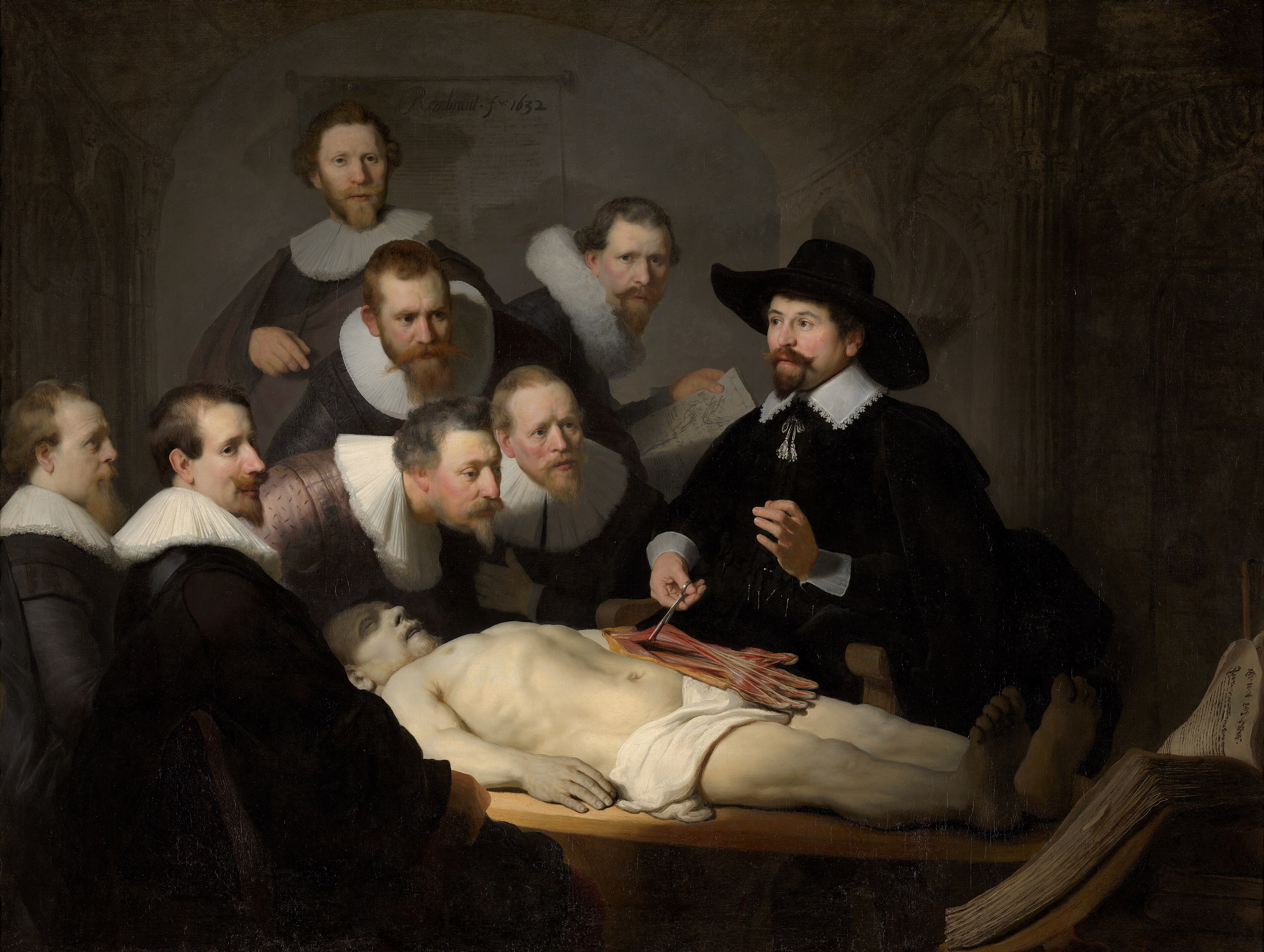
I trained as a physician. I spent years learning how to listen to a patient, how to read the subtle signs that something is not right, how to explain a diagnosis in a way that brings clarity instead of fear. And then I entered clinical practice and discovered that most of my day had nothing to do with any of that. It was paperwork. Phone calls. Authorization forms. Chasing down records. Entering data into systems that were supposed to make things easier but somehow made everything slower.
I did not leave medicine because I stopped caring about patients. I left because the system made it nearly impossible to spend meaningful time with them. That experience is what led me to build Taxo. And it is why I feel so strongly about something that I think the conversation around AI in healthcare consistently gets wrong.
AI is not going to replace healthcare workers. We are nowhere near that, and frankly, the very idea misunderstands what healthcare actually is. What AI can do, and what it is already doing, is take the worst parts of the job off your plate so you can finally do the work you were trained for.
The replacement narrative misses the point
Every few months a new headline appears suggesting that AI is about to make doctors and nurses and medical staff obsolete. It makes for dramatic reading but it does not hold up to even basic scrutiny. Healthcare is one of the most deeply human endeavors in existence. It requires empathy. It requires judgment in the face of ambiguity. It requires the ability to look at a patient and understand not just their symptoms but their fears, their context, their life. No language model or automation engine is going to replicate that. Not now, and not for a very long time.
The Bureau of Labor Statistics projects that healthcare roles like nurse practitioners will grow by over 50 percent in the coming decade. The World Health Organization projects a global deficit of 18 million healthcare workers by 2030. The industry does not have a surplus of people that AI needs to displace. It has a desperate shortage of people, and those people are burning out at historic rates because the work around them has become unsustainable.
The American Medical Association itself uses the term “augmented intelligence” rather than artificial intelligence, specifically to emphasize that the role of these technologies is to assist healthcare professionals, not replace them. That framing is exactly right. The question is not whether machines will take over medicine. The question is whether we can use intelligent systems to make medicine a place where talented, compassionate people actually want to work.
What augmentation actually looks like
When we talk about labor augmentation at Taxo, we are talking about something very concrete. We are not building technology that tries to practice medicine. We are building technology that handles the administrative processes surrounding medicine so that the humans involved can focus entirely on care.
Think about what a front desk coordinator at a specialty clinic does in a typical day. She answers dozens of phone calls. She verifies insurance eligibility. She processes referrals. She collects intake information. She sends appointment confirmations and follows up on no-shows. She enters data into the EHR. Most of these tasks are repetitive, process driven, and exactly the kind of work that intelligent systems can handle reliably. None of them require the warmth and judgment that make her good at her job.
When Taxo handles those tasks automatically, she does not lose her role. Her role transforms. Instead of spending her morning drowning in calls and paperwork, she greets patients when they walk in. She notices when someone seems anxious and takes an extra moment to put them at ease. She catches a scheduling conflict that a system might miss because she knows the physician’s preferences. She builds the kind of relationships with patients that make them feel like they belong to your practice, not just your database.
The same principle applies to physicians. When the administrative overhead around a visit disappears, when the chart is complete before the patient arrives, when insurance is already verified and referral notes are already in the system, the physician gets something priceless: the full duration of the appointment to actually be a doctor. They can listen more carefully. They can explain more thoroughly. They can make better decisions because they are not mentally juggling logistics while trying to focus on clinical reasoning. The quality of care goes up. The satisfaction of the physician goes up. And the patient feels the difference.
Better work, fewer mistakes
There is another dimension to augmentation that does not get enough attention: accuracy. When humans are overworked and distracted, they make mistakes. That is not a character flaw. It is a basic reality of how the human brain works under sustained cognitive load. Insurance details get entered incorrectly. Referrals get misfiled. Prior authorizations get submitted with missing information and come back denied. Follow up calls do not go out on time. Patients fall through the cracks.
These are not dramatic errors. They are the quiet, cumulative kind that slowly degrade the quality of a practice’s operations and the trust patients place in it. They are also almost entirely preventable. When an intelligent system verifies insurance in real time, it does not transpose a digit in the policy number because it was interrupted by a phone call. When it processes a referral, it does not accidentally put it in the wrong pile. When it sends a follow up message, it does not forget because the afternoon got busy.
This is not about machines being better than people. It is about machines being better at the specific tasks that humans should never have been doing manually at this scale in the first place. The result is not just efficiency. It is reliability. Every referral gets processed. Every insurance check gets completed. Every patient gets a confirmation. Every follow up goes out. Nothing slips. And the people on your team can trust that the foundational work is done, which frees their mental energy for the decisions and interactions that actually require their attention.
The ability to do more
One of the most exciting things about labor augmentation is that it does not just make existing work easier. It expands what a practice is capable of.
Consider a specialty clinic that currently handles 150 calls a day and misses 30 percent of them because the front desk cannot keep up. With intelligent automation handling inbound communication, that clinic does not just answer the calls it was missing. It answers every call, on every channel, in over 100 languages, 24 hours a day. It captures referrals that arrive by fax at midnight. It collects intake information from patients who prefer texting over phone calls. It reaches populations that the clinic was never able to serve before, simply because the operational infrastructure was not there.
That is not replacing a person’s job. That is giving a practice capabilities it never had. It is the difference between a team that is constantly in survival mode and a team that is actually growing, actually reaching new patients, actually fulfilling the mission that drew everyone in the building to healthcare in the first place.
The World Health Organization’s workforce projections make this point urgently. We do not have enough healthcare workers globally, and we are not going to train our way out of that gap in the next decade. The only realistic path to expanding access to care, without burning out the people providing it, is to make each healthcare professional dramatically more effective. That is what augmentation means. Not fewer people. More capable people.
A more human kind of healthcare
I believe we are entering an era where healthcare can actually become more human, not less. That might sound counterintuitive when the tool enabling it is artificial intelligence, but the logic is straightforward. For the past two decades, healthcare has become progressively less human, not because the people in it stopped caring, but because the systems around them buried them in administrative work. Physicians spend half their day on screens instead of with patients. Front desk staff spend their mornings on the phone instead of with the people standing in front of them. The entire operation is oriented around process instead of around the patient.
Intelligent automation reverses that trajectory. When the process handles itself, the people can be people again. The physician looks you in the eye. The receptionist knows your name. The follow up call happens before you even think to wonder whether anyone remembered. The whole experience feels different because the humans in the room are present, engaged, and doing the work they are genuinely skilled at.
That is the future we are building at Taxo. Not a future with fewer healthcare workers, but one where every healthcare worker is empowered to do their best work. Where the administrative burden that has been crushing this industry for decades is finally lifted. Where the talented, empathetic people who chose to work in medicine can actually practice it.
AI is not coming for your job. It is coming for the mountain of paperwork, the endless phone calls, the insurance runaround, and the data entry that stole your job from you years ago. And the sooner we embrace that distinction, the sooner healthcare starts to feel like what it was always supposed to be.